About ADU Services Remodeling Projects Blog Areas Contact Schedule Consultation
Blog

ADU SETBACK REQUIREMENTS BAY AREA: CITY-BY-CITY BREAKDOWN

May 2026 · 10 min read · ADU Regulations

The 4 foot setback is the floor, not the plan. ADU setback requirements Bay Area homeowners read on the city website usually say “4 feet from rear and side property lines.” That is true. It is also incomplete. The 4 foot right disappears the moment your design exceeds 16 feet in height. The 4 foot setback that crosses a 5 foot sewer easement is illegal regardless of zoning. A 4 foot side setback without sprinklers means a 1 hour fire-rated wall, which adds real money to the build.

Schedule Site Review
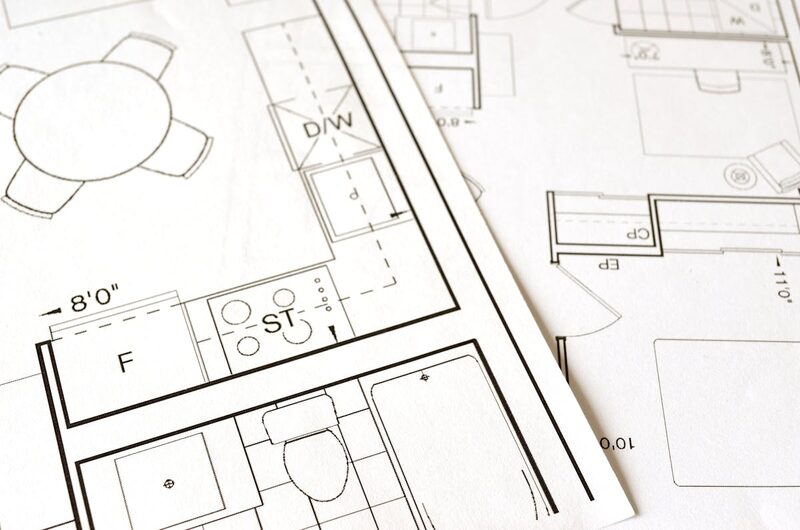
ADU setback requirements Bay Area site plan with property line offsets and buildable envelope marked
01 — State Baseline

THE CALIFORNIA STATE BASELINE FOR ADU SETBACKS

California Government Code Chapter 13, sections 66310 through 66342, governs ADU rules statewide. Section 66323 is the operative section. The state preempts cities from requiring more than 4 feet of rear or interior side setback for new-construction detached or attached ADUs.

Front setback defaults to the underlying zoning district. The exception that matters: if the underlying front setback prevents an 800 sqft, 16 foot tall ADU from fitting anywhere on the lot, the city must waive the front setback to whatever extent is necessary to allow that envelope. Every legal residential lot in California is entitled to at least an 800 sqft, 16 foot ADU at 4 foot setbacks.

Height ceilings tied to the 4 foot setback: detached ADU 16 ft maximum at 4 ft setback. Detached within 1/2 mile of major transit: 18 ft. Detached on a lot with multi-story primary dwelling: 18 ft. Attached: 25 ft or the primary structure’s height, whichever is lower. If you exceed those height ceilings, you lose the 4 foot setback right and must comply with the underlying zoning district’s full setbacks.

For a deeper look at how setbacks interact with floor plan options, see our ADU floor plans Bay Area guide.

STATE BASELINE
StatuteGov Code 66310-66342
Side / rear setback4 ft minimum
Front setbackZone, waivable for 800 sqft
Detached height16 ft at 4 ft setback
Transit corridor bump18 ft at 4 ft setback
Attached height25 ft or primary, lower
02 — City-by-City

ADU SETBACK REQUIREMENTS BAY AREA CITY-BY-CITY

All seven Bay Area cities Mendez serves default to the state 4 foot side and rear minimum. The variation lives in front setbacks, primary-dwelling separation, and a handful of local quirks.

Palo Alto: Rear 4 ft, side 4 ft, front per underlying zone (typically 20 ft) waived as needed for 800 sqft / 16 ft. Corner lots: 10 ft street-side, 16 ft front yard. Conversions of existing legal structures exempt from setbacks.

Mountain View: Rear 4 ft, side 4 ft, front per underlying zone. Detached ADU must be at least 6 ft from any existing structure. Mountain View requires no Planning permit for ADUs, building permit only.

San Mateo: Rear 4 ft, side 4 ft, front per underlying zone. Caps required setbacks at 4 ft rear/side and 6 ft from primary dwelling. Garage and accessory-structure conversions exempt from setbacks.

Walnut Creek: Rear 4 ft, side 4 ft, front 20 ft (reducible). Owners with unpermitted ADUs can apply for retroactive permits as of January 1, 2025 (Code 10-2.3.503). Replacement structures inherit existing structure’s setbacks. Walnut Creek ADU rules covers more for that city.

Sunnyvale: Rear 4 ft, side 4 ft, ZERO front setback for detached ADUs up to 800 sqft (Ord 3240-25, eff April 8, 2025). Detached ADU must be 10 ft from primary dwelling. Streamlined over-the-counter approvals available for pre-approved plans.

Redwood City: Rear 4 ft, side 4 ft, front per underlying zone. No unusual local rules beyond state baseline.

Fremont: Rear 4 ft, side 4 ft, front matches the primary dwelling’s existing front setback. Existing accessory-structure conversions or in-footprint replacements: zero setback required. Code Chapter 18.190; Ord 06-2023, effective August 11, 2023.
CITY VARIATION HIGHLIGHTS
Palo AltoCorner: 10 ft street-side
Mountain ViewNo Planning permit
San MateoCaps separation at 6 ft
Walnut CreekRetroactive permits (2025)
SunnyvaleZero front setback (2025)
FremontAnchor to primary dwelling
03 — Six Gotchas

SIX SETBACK GOTCHAS THAT MOVE MONEY

Fire-rated wall trade. When an ADU sits within 5 ft of a property line without sprinklers, the exterior wall facing the line must be 1 hour fire-rated. With sprinklers, the threshold drops to within 3 ft. At 0 ft, no openings on that wall. Per the California Residential Code, not the ADU statute.

Conversion versus new construction. Converting an existing legally permitted accessory structure into an ADU is exempt from setbacks statewide, even if the existing structure sits 0 ft from the line. The moment you expand the footprint outward, new-construction setbacks apply to the expanded portion.

Easements override setbacks. A 4 foot setback is a floor, not a guarantee. Utility, drainage, sewer, and PG&E easements typically prohibit any structure regardless of whether the setback is met. Common Bay Area gotcha: rear-yard sewer or storm drain easements run 5 to 10 feet deep on older lots.

Creek setbacks and riparian buffers. Walnut Creek along Las Trampas Creek, Palo Alto along San Francisquito, Fremont along Alameda Creek impose riparian buffers of 25 to 100 feet from top-of-bank that override the 4 foot setback.

Hillside and Very High Fire Hazard Severity Zones. Walnut Creek hills, Fremont above Mission Boulevard, Palo Alto foothills. Defensible space rules and slope-based setback adjustments can require more than 4 feet.

Primary-dwelling separation. State default is 6 ft between detached ADU and primary dwelling. Sunnyvale enforces 10 ft. Independent of property-line setbacks. Bites on narrow lots. The California HCD ADU Handbook 2025 is the definitive state guidance document.

5 ft

Fire-Rated Threshold

Exterior wall within 5 ft of line (no sprinklers) requires 1-hour fire rating. Real money on wall assemblies.

25-100

Feet Riparian Buffer

From top-of-bank on Bay Area creeks. Overrides the 4 ft setback. State preemption does not apply.

10 ft

Sunnyvale Separation

From primary dwelling, vs 6 ft state default. Bites on narrow rear yards.

04 — Real Lot Math

WHAT THIS LOOKS LIKE ON A REAL BAY AREA LOT

A typical 50 ft wide by 100 ft deep, 5,000 sqft Bay Area lot, with a 30 ft deep primary dwelling at a 20 ft front setback. Subtract a 6 ft primary-dwelling separation behind the house and a 4 ft rear setback. You have 40 ft of usable rear depth for the ADU. Width-wise: 50 ft minus two 4 ft side setbacks gives 42 ft of usable width.

That envelope easily fits a 1,000 sqft single-story ADU. The constraint on most Bay Area lots is almost never the 4 foot setback itself. It is the easement that runs through the rear yard, the Heritage Tree on the side property line, the primary-dwelling location that uses up the lot, or the height ceiling that forces a larger setback for a two-story design.

BUILDABLE ENVELOPE MATH
Lot dimensions50 ft × 100 ft
Lot area5,000 sqft
Primary footprint30 ft deep, 20 ft front
Side setback × 2-8 ft (42 ft usable)
Rear depth available40 ft (after 6+4)
Real envelope42 × 40 = 1,680 sqft
05 — How We Approach

HOW WE APPROACH SETBACKS ON A MENDEZ ADU PROJECT

Every Mendez ADU project starts with a site walk that includes a setback strategy conversation. We measure the lot. We pull the parcel map and check easements. We measure tree caliper if a Heritage Tree might be in play. We identify whether the envelope supports the ADU footprint the homeowner wants, or whether the design needs to flex.

If the homeowner wants something the setback math does not support, we say so. Sometimes that means a smaller ADU. Sometimes it means a different location on the lot. Sometimes it means a JADU or garage conversion instead of new construction. Sometimes the right answer is to move the design 6 inches to clear an easement and keep the rest of the plan intact.

The setback table is the start of the conversation, not the end of it.

Lot

Measure and Map

We measure the lot, pull the parcel for easements, and overlay the buildable envelope before discussing design.

Tree

Caliper Check

Heritage Tree thresholds in Mountain View, Palo Alto, and other cities. We measure trunks before drawing footings.

Flex

Design Flex

If the math doesn’t support the design, we say so and work the alternatives. Smaller, JADU, conversion, or move 6 inches.

06 — Next Step

SCHEDULE A SITE REVIEW

If you are looking at an ADU on a Bay Area property and want to know what the setback realities allow, the first step is a site walk. We measure the lot, pull the easements, look at the trees, and tell you what envelope you actually have to work with. No deposit required to schedule.

Schedule Site Review ADU Floor Plans

Setback Strategy Walk

We measure setbacks against your specific lot, pull easements, and overlay the buildable envelope.

Heritage Tree Check

Caliper measure mature trees that could trigger permits, design redraws, or root protection.

No Deposit to Schedule

We do not take money before we are actively on your project. Conversations are free.

READY FOR A
SITE REVIEW?

Your lot, your setbacks, your easements. We walk the property and tell you what envelope you actually have, before any design conversation.

Real lot · Real setbacks · Real envelope

Schedule Site Review

Serving Palo Alto · Mountain View · San Mateo
Walnut Creek · Redwood City · Bay Area