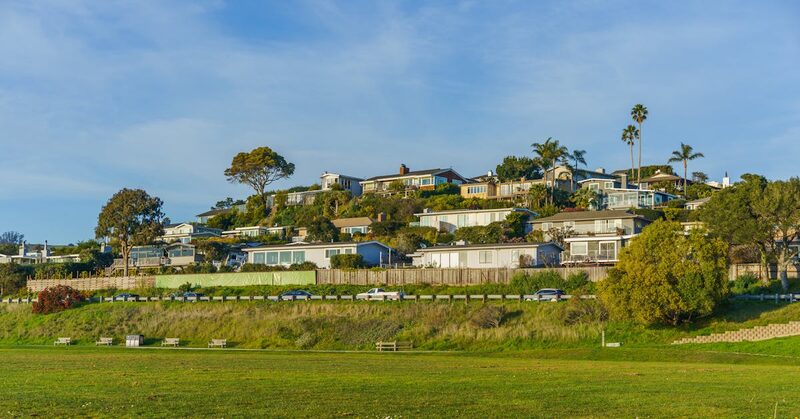
Walnut Creek sits in Contra Costa County — which means its ADU requirements differ from the Peninsula and South Bay cities most homeowners compare it to. Different building department, different review process, different terrain considerations. If you’re planning to build an ADU in Walnut Creek, here’s what the local rules actually look like.
California’s statewide ADU law sets the floor — every city must allow ADUs on single-family lots. But Walnut Creek applies its own overlay requirements on top of the state baseline, and the Contra Costa County building department has its own review process.
Walnut Creek allows detached ADUs up to 1,200 square feet and JADUs up to 500 square feet. The city follows state setback minimums — 4 feet from rear and side property lines for detached units — but properties in hillside zones or with slope conditions face additional constraints.
The city also has specific requirements around fire-hardened construction in certain areas, particularly properties near the hills. If your lot is in a wildfire risk zone, that adds material and design requirements that affect cost and timeline.
ADU Construction ServicesWalnut Creek’s building department processes ADU permits in 8 to 16 weeks, depending on project complexity and current workload. The city reviews plans through building, planning, and fire departments — each independently.
What makes Walnut Creek different: The city has hillside development standards that apply to some properties. If your lot has significant slope, the structural and grading requirements are more involved than a flat lot in the valley. This affects both the design phase and the permit review timeline.
The fire department review can also add time if your property falls in a designated wildfire risk area. Fire-hardened construction requirements — specific roofing materials, vent screens, exterior cladding — need to be shown on the architectural plans.
We’ve submitted permits in Walnut Creek consistently and know what the building department expects. A complete first submission with all hillside and fire considerations addressed upfront keeps the timeline on the shorter end.
ADU Permitting Details
Plan check: 8–16 weeks. Hillside properties and fire zones may add review time.
All three main ADU types are buildable in Walnut Creek, but the best choice depends on your specific lot. The East Bay has a mix of flat valley properties and hillside lots — and the two present very different construction scenarios.
Detached ADUs are the most popular on flat lots with adequate rear yard space. In Walnut Creek’s older neighborhoods near downtown, lot sizes typically accommodate a detached unit once setbacks are calculated.
JADUs work well on smaller lots or hillside properties where grading a new foundation is impractical. Converting existing space within or attached to the home avoids the terrain challenges entirely.
Garage conversions are particularly common in Walnut Creek. Many homes in the Rossmoor-adjacent neighborhoods and Northgate area have two-car garages that convert efficiently. The existing structure handles the terrain — you’re just converting the interior.
Best on flat valley lots. Up to 1,200 sqft. Full independence from the main home.
Ideal for hillside properties or smaller lots. Up to 500 sqft within or attached to the home.
Common in Walnut Creek. Existing structure handles terrain. Cost-effective path to living space.
Every Bay Area city has its own quirks. Here’s what we navigate specifically in Walnut Creek:
Hillside lots. Properties in the hills east of downtown face slope-related building requirements. Grading, retaining walls, and specialized foundation systems add cost and complexity. The site assessment determines whether a flat-pad approach works or if the design needs to account for grade.
Fire zones. Some Walnut Creek properties are in state-designated wildfire risk areas. This requires fire-hardened construction: specific roofing, exterior materials, vent screening, and defensible space around the ADU. These requirements aren’t optional and need to be in the plans from day one.
Older home stock. Walnut Creek has a significant number of homes built in the 1960s and 70s. When building an attached ADU or JADU, the existing structure’s condition matters — older framing, outdated electrical, and original plumbing may need upgrades to support the addition.
HOA considerations. Several Walnut Creek neighborhoods have HOAs with design review requirements. While HOAs cannot prohibit ADUs under California law, they can impose design standards. We help navigate those conversations.
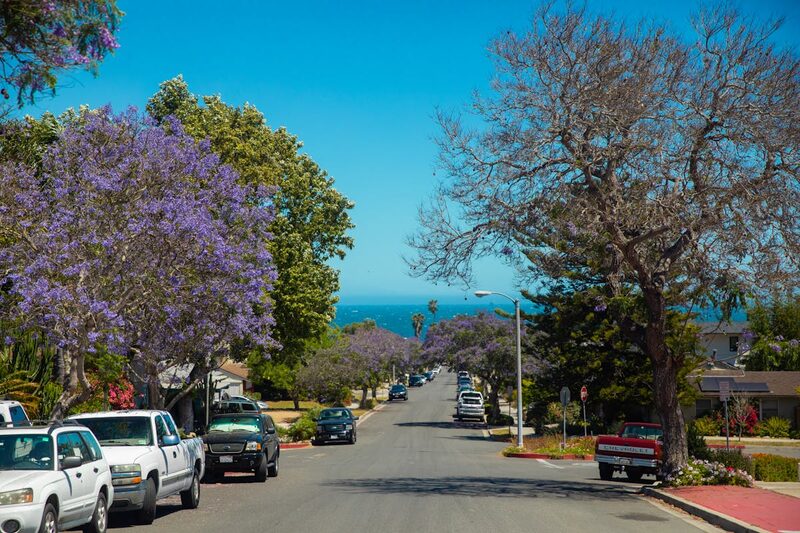
“Walnut Creek ADU projects succeed when the design accounts for the terrain and fire zone requirements from day one — not as an afterthought.”
— Mendez & Son’s Construction
ADU costs in Walnut Creek generally track with the broader East Bay market, but hillside and fire zone requirements can push costs higher than comparable projects on flat Peninsula lots.
Flat lot, detached ADU: 9 to 14 months from design through move-in. Standard construction sequence with no terrain complications.
Hillside lot, detached ADU: 12 to 18 months. Additional time for grading, specialized foundation work, and potentially longer permit review due to hillside standards.
Garage conversion: 7 to 11 months. Fastest path in Walnut Creek because the existing structure handles terrain. No grading, no new foundation.
Financing is available for all ADU types. The lower cost of garage conversions makes them especially accessible for homeowners who want to add space without a major financial commitment upfront.
Standard timeline. Design, permitting, and construction without terrain complications.
Added time for grading, specialized foundation, and extended permit review.
Fastest path. Existing structure handles terrain. No excavation or foundation work.
If you own property in Walnut Creek and you’re considering an ADU, the first step is understanding what your specific lot allows. Zoning, slope, fire zone designation, and existing structure condition all factor into the recommendation.
We’ve built across the East Bay and know the Contra Costa County building department process. A consultation gives you a clear picture of what’s feasible on your property — ADU type, realistic timeline, and cost range — before any commitment.
You can also explore our other Bay Area service areas to see how we work across different jurisdictions.
Your lot, your zoning, your fire zone — we’ll assess it all and give you a realistic plan before you commit to anything.
Clear scope · Clear plan · Clear expectations
Serving Palo Alto · Mountain View · San Mateo
Walnut Creek · Redwood City · Bay Area