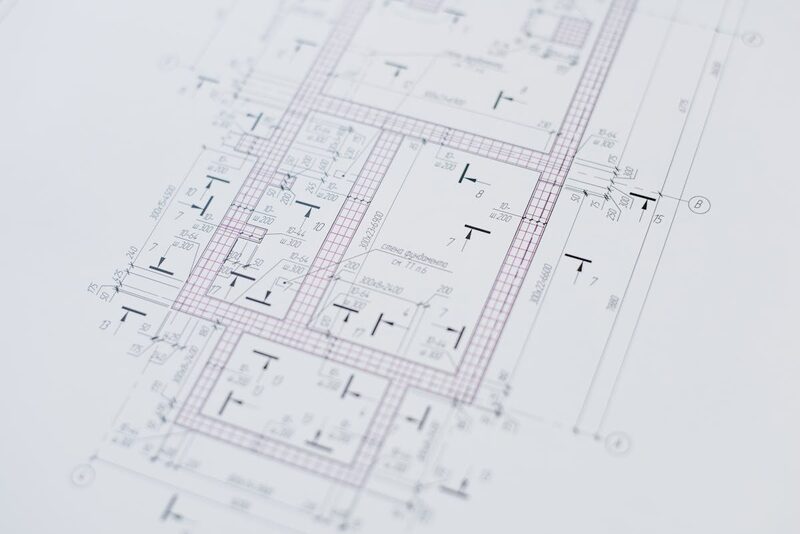
A JADU — junior accessory dwelling unit — is one of the fastest and most affordable ways to add a permitted living space to your Bay Area property. At 500 square feet or less, JADUs are smaller than detached ADUs but share one major advantage: they use existing structure, which means less construction, shorter timelines, and lower costs.
Under California law, a JADU is a residential unit of 500 square feet or less that is created within the walls of an existing single-family home or within an attached structure. It must have its own entrance and a basic kitchen (an efficiency kitchen with small appliances is permitted), and it must include a bathroom — though it can share a bathroom with the main home if it has an interior connection.
The critical distinction from a standard ADU is that a JADU is built within or attached to existing structure. You’re not pouring a new foundation or building a standalone unit in the backyard. You’re converting or adding onto what already exists.
California also allows homeowners to build both a JADU and a detached ADU on the same property — meaning you could potentially add two units to a single-family lot.
JADU Construction DetailsJADUs are the most common ADU type we build in the Bay Area. The reasons are practical:
Lower cost. No new foundation, no excavation, no utility trenching across the yard. You’re working within existing structure, which eliminates the most expensive phases of new construction. Shared utilities with the main home further reduce costs.
Faster timeline. A JADU typically takes 6 to 10 months from design through move-in — compared to 9 to 14 months for a detached ADU. Less construction scope means a shorter build.
Simpler permitting. Smaller scope means fewer plan check departments involved and fewer potential correction items. The permit timeline for JADUs is typically on the shorter end of the range.
Works on tight lots. No yard space needed. If your property can’t accommodate a detached unit due to setbacks or lot coverage, a JADU may be the only buildable option — and it’s a good one.
No foundation, no excavation, shared utilities. The most cost-effective path to additional living space.
6 to 10 months from design through move-in. Less scope means fewer construction phases.
No yard space required. Build within or attached to your existing home.
Financing available — lower JADU costs mean lower monthly payments.
JADUs take several forms depending on your home’s layout and what space is available to convert:
Bedroom conversion. Converting an existing bedroom suite (or a portion of the home) into an independent unit with its own entrance and kitchenette. This is often the simplest and least expensive approach.
Garage conversion. A garage conversion that stays under 500 sqft qualifies as a JADU. The existing structure provides the shell — you add insulation, plumbing, electrical, and finishes.
Addition to existing structure. Extending the home by up to 150 square feet (as allowed under JADU provisions) to create the additional space needed for a kitchen and separate entrance.
The best configuration depends on your home’s layout, where plumbing can be accessed, and where a separate entrance makes sense. We assess all of this during a site visit.
JADU permits follow the same general process as standard ADU permits, but the scope is smaller and the review is typically faster. Cities like Palo Alto, Mountain View, San Mateo, and Walnut Creek all process JADU applications.
Plan check for a JADU typically runs 4 to 10 weeks — shorter than a detached ADU because the structural scope is simpler. The city still reviews for building code compliance, fire safety, Title 24 energy requirements, and egress.
Owner occupancy note: California requires that the property owner live in either the main house or the JADU. This is a deed restriction recorded at the time of permit issuance. It doesn’t prevent renting one of the units — it just means the owner must occupy the other.
ADU Permitting DetailsWe handle the full permit process — plans, Title 24, city coordination, and inspections.
The homeowners we build JADUs for typically fall into three categories:
Multigenerational families. Parents moving in, adult children returning, or aging relatives who need independence with proximity. A JADU gives them their own space within or attached to your home — close enough to help, private enough to live independently.
Rental income. At 500 square feet, a JADU in the Bay Area can generate $1,800 to $3,000+ per month in rental income depending on location and finish level. The lower build cost means a faster return on investment compared to a full detached ADU.
Home office or studio. A dedicated workspace with its own entrance, bathroom, and kitchenette — functionally separate from the household but steps away. Popular with remote workers across the Peninsula and East Bay.
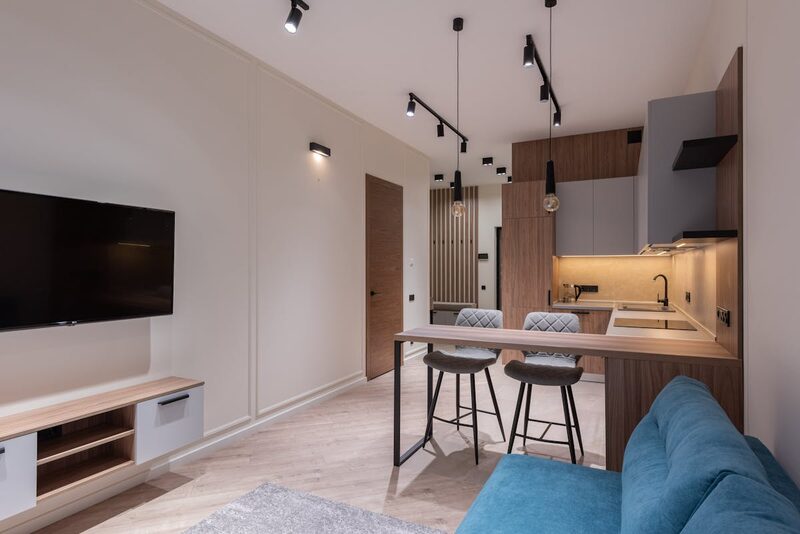
Independence with proximity. Own entrance, own space, steps from the main home.
$1,800–$3,000+/month in the Bay Area. Lower build cost means faster ROI.
Dedicated workspace with its own entrance, separate from the household.
The answer depends on your home’s layout, where plumbing is accessible, and whether a separate entrance can be created without major structural changes. Some homes are natural JADU candidates. Others need more work than the savings justify — in which case a detached ADU or garage conversion might be the better path.
A site visit tells us everything. We assess the existing structure, identify the most practical configuration, and give you a realistic scope, timeline, and cost range before any design work begins.
We evaluate your home’s layout, plumbing access, and entrance options for a JADU.
We recommend the best approach — bedroom conversion, garage, or small addition.
Architectural plans and permit submission. One team handles everything.
It’s the fastest, most affordable way to add permitted living space. We’ll assess your home and tell you if it’s the right fit — before you commit to anything.
Clear scope · Clear plan · Clear expectations
Serving Palo Alto · Mountain View · San Mateo
Walnut Creek · Redwood City · Bay Area