About ADU Services Remodeling Projects Blog Areas Contact Schedule Consultation
Blog

UNIVERSAL DESIGN HOME REMODEL: WHAT BAY AREA FOREVER-HOME OWNERS ACTUALLY NEED

May 2026 · 10 min read · Universal Design

The conversation usually starts indirectly. A homeowner calls about a primary bathroom remodel. Or an ADU for "the in-laws." Or a kitchen update where the appliances are too low and the cabinets too high. By the third sentence, it becomes clear the project isn't really about a bathroom or a kitchen. It's about a household that wants to stay in this house for another twenty years and has started doing the math on what that actually requires.

Schedule an Accessibility Walk
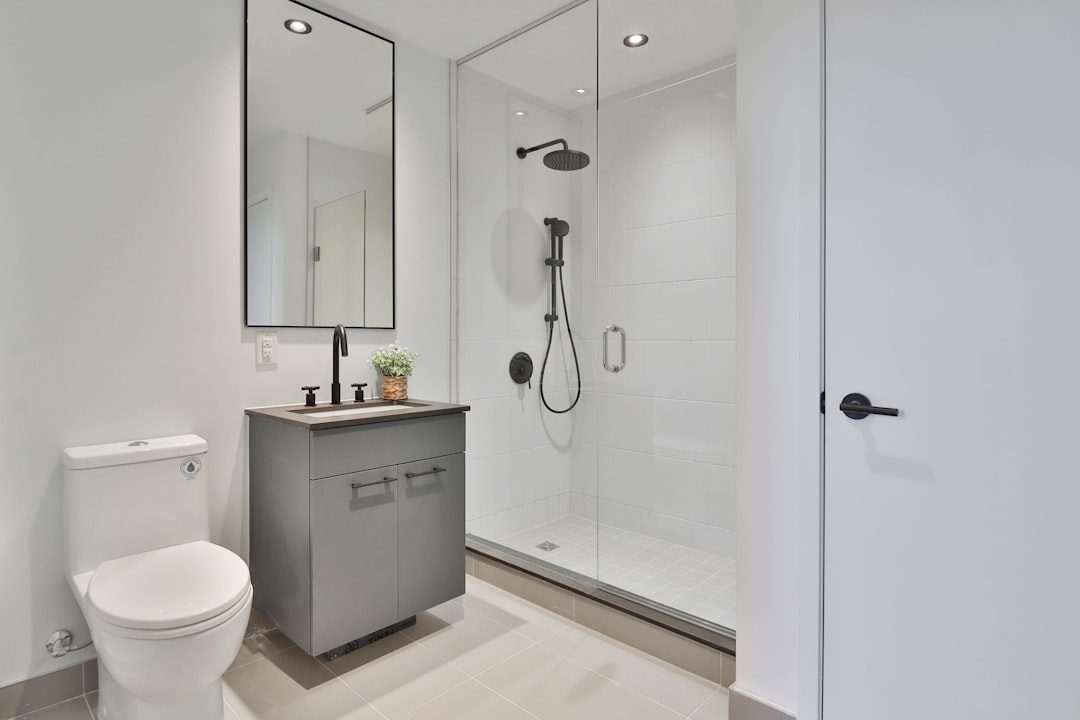
Modern Bay Area primary bathroom with a curbless walk-in shower, lever-handle faucet, and comfort-height fixtures from a universal design home remodel
01 — The Two Buckets

THE TWO BUCKETS BAY AREA HOUSEHOLDS ACTUALLY NEED

This post is for the Bay Area 55-and-up household planning to stay. Two other groups exist (the "we're putting Mom in a facility" household and the "we're selling and downsizing" household), and this post isn't about either of them. The third group has substantial home equity, a low Prop 13 basis, kids out of the house or close to it, and a decision already made that this is the home they're staying in for the long run. A universal design remodel is the work that decision turns into.

Most national articles on this topic give you a long list of grab bars and call it a day. That list isn't wrong; it's just incomplete. For the Bay Area household we're describing, the work tends to fall in one of two buckets, and the bucket decides almost everything about scope and budget.

The multigenerational ADU. Building a detached or attached unit on the property as a future caregiver suite, a unit for a parent moving in, or a permanent in-law setup. This is the bucket Mendez has done the most work in. Most of our Bay Area ADUs that were billed as "for the in-laws" are exactly this kind of project. The household isn't ready to remodel the primary house for accessibility yet, but they're getting ahead of the question by building a unit on the property that's natively accessible from day one.

The primary home retrofit. Modifications to the existing house itself: the bathroom, the kitchen, the entry, the stairs, the bedrooms. Sometimes a small bundle of one-off changes. Sometimes a real primary suite remodel that consolidates a bedroom and bath on the entry level. Some households bundle this with a kitchen renovation that's already in the queue, which is the efficient way to do it because the wall's already open and the trades are already on site.

A lot of households end up doing both, just not at the same time. The ADU happens first, the in-laws move in, and three or four years later the primary home retrofit happens because someone in the household is now navigating the stairs differently than they used to.

TWO PATHS, ONE GOAL
Bucket 1Multigenerational ADU
Bucket 2Primary home retrofit
Target householdBay Area 55+, planning to stay
Equity profileHigh equity, low Prop 13 basis
Typical sequenceADU first, retrofit later
Decision driverScope and budget
02 — California Tax Math

WHY THE BAY AREA 55+ HOUSEHOLD HAS BETTER MATH THAN MOST

Two California-specific things make the stay-and-modify path more efficient here than almost anywhere else in the country.

The first is Proposition 13. Most of the households we work with have a property tax basis from the 1990s or earlier. Downsizing to a smaller home at today's prices typically resets the tax basis at the new market rate, which can multiply the annual property tax bill many times over. Staying in the existing home and modifying it preserves the basis. The math on "sell and move to something smaller" gets worse the longer the household has been in the home.

The second is California Revenue and Taxation Code Section 74.3. For accessibility modifications made to an existing owner-occupied home that benefit a severely and permanently disabled permanent resident, the modification value itself can be excluded from reassessment. The household keeps the Prop 13 basis on the original structure AND on the accessibility work. The exclusion isn't automatic; it requires Claim Form BOE-63 and a physician statement, and it only applies in qualifying situations. But for households that qualify, it's a meaningful piece of the math.

Add Proposition 19's lifetime base-year transfer for 55-and-up homeowners on top, and the policy stack tilts the math toward staying and modifying instead of selling and moving. Most Bay Area accountants we've talked to lay this out for clients before any renovation conversation happens.

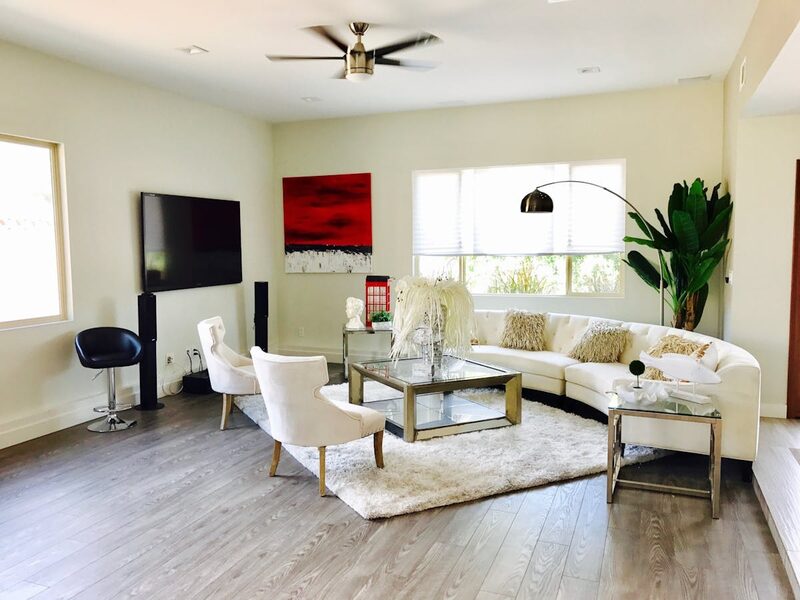
Finished Bay Area home interior with open layout and accessible flow, the kind of completed remodel that supports a 55-plus household staying in place
03 — What the Research Says

WHAT THE EVIDENCE ACTUALLY SAYS ABOUT MODIFICATIONS THAT REDUCE FALLS

The research on which modifications actually reduce falls and preserve independence is stronger than the marketing copy on most accessibility websites would suggest, and it points to a smaller set of changes than the "checklist" version of this topic implies.

The Cochrane systematic review on fall prevention found that occupational-therapist-led home safety assessments paired with modifications reduced fall rates by roughly 19 percent. The OT-led part matters; the modifications by themselves are less powerful.

The CAPABLE trial out of Johns Hopkins (multi-component program pairing physical and OT intervention with modifications) reported about a 30 percent reduction in ADL disability scores.

The HIPI study in the Lancet reported a 26 percent reduction in medically treated home falls per year, and 39 percent at the modified sites specifically.

The honest read: modifications matter, but they matter most when they're paired with assessment and behavioral support, not bolted onto a remodel as a standalone feature. That's why the priority conversation matters at least as much as the modification list. Putting a grab bar in a bathroom doesn't reduce falls if the bigger issue is a stair the household never should have been navigating in the first place.

EVIDENCE AT A GLANCE
Cochrane review19% fall rate reduction
CAPABLE trial30% ADL disability drop
HIPI study26% fewer treated falls/yr
HIPI modified sites39% reduction
Key variableOT-led assessment
Standalone modsLess powerful alone
04 — The Four Categories

THE MODIFICATIONS THAT ACTUALLY CHANGE HOW THE HOME FUNCTIONS

When the household commits to a real retrofit, four categories of work tend to do the most for the daily experience of living in the home.

Bathroom. The highest-risk zone in most homes. The work that matters: a curbless or zero-threshold shower (eliminates the 14-to-18-inch tub transfer), comfort-height toilets at 17 to 19 inches instead of the standard 15, ADA-spec grab bars with the right blocking behind the drywall, and slip-resistant flooring. Most Bay Area homes can absorb this work into a primary bath remodel without expanding the footprint.

Kitchen. Multi-height counters at 30, 36, and 42 inches for seated and standing work, pull-down upper cabinets, full-extension lower drawers, single-lever or touchless faucets with anti-scald valves, and induction cooktops. The induction piece is regional. In San Mateo and a handful of other Peninsula cities, the Reach Code electrification requirements push most kitchen renovations toward induction-ready outlets anyway, so the accessibility upgrade dovetails with code compliance.

Multi-story navigation. This one has more nuance than most articles admit. Stair lifts get marketed aggressively, but the TARN trauma data on stair-lift falls is worth knowing about before installing one. The top-of-stairs exit transfer is where the injury risk concentrates. A real primary suite consolidation on the entry level, or in some homes a residential shaft elevator, tends to be the safer long-term answer for households planning to stay 15-plus more years. The right answer depends on the house and the household.

Doorways, hardware, lighting. 36-inch interior doors, lever hardware on doors and faucets, rocker-style light switches, motion-activated LED night lighting in the bathroom and the route from bedroom to bath. This is the category most households underestimate. It's also the cheapest one to address proactively during any remodel: most of the work happens while walls are already open for some other reason.

For households not ready to commit to a full retrofit yet, there's a less-visible version of this work most contractors don't propose: putting plywood blocking behind the drywall during a current remodel so the grab bars can go in five or ten years later at near-zero marginal cost. Same idea for running the conduit for a future ramp, framing a future curbless shower drain, or roughing in for a future elevator shaft. The proactive prep is invisible until it's needed.
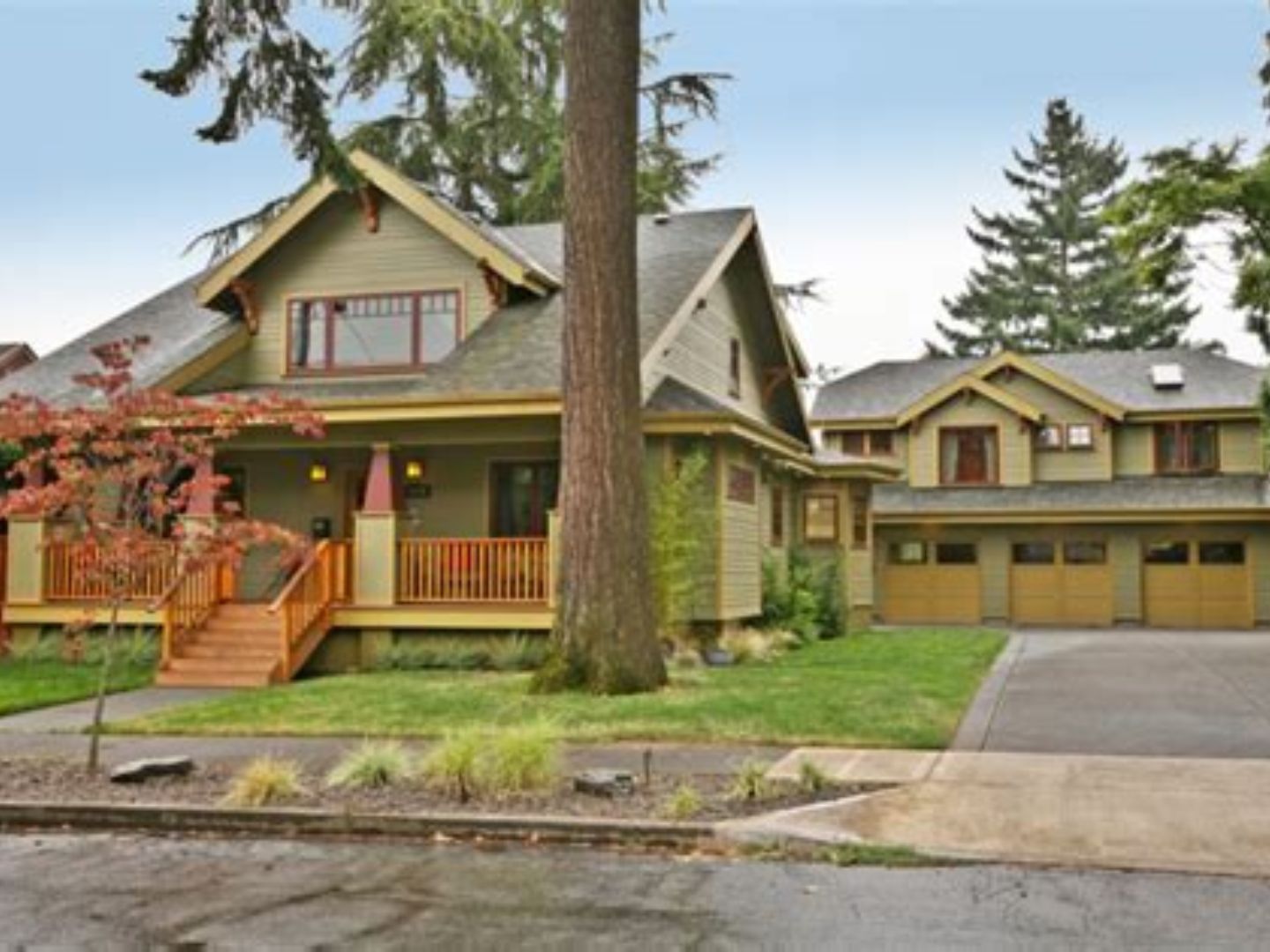
Bay Area family home in an established residential neighborhood where universal design modifications let the homeowner stay in the existing residence
05 — The ADU Path

HOW THE ADU PATH SOLVES A DIFFERENT PROBLEM

The other lane is the ADU. We've built detached ADUs on Bay Area properties where the original brief was "we want the option to have my mother live with us in three to five years." That brief turns into a full one-bedroom one-bath unit on the property that, because it's new construction under the California Residential Code R327 update effective July 1, 2024, includes a bedroom and bathroom on the entry level with 32-inch clear door openings as a matter of course.

The accessibility comes baked in. The household doesn't have to remodel the primary house yet. The unit holds value as a rental if the in-laws never move in. If the in-laws do move in, the household has a ten-year buffer before the primary house has to be retrofitted. Some households eventually move into the ADU themselves and rent or family-house the primary structure. Others keep the ADU for guests and grandchildren and never need it as a caregiver suite at all.

For the ADU-specific decision, see our ADU vs home addition decision guide. And if your project involves planning for an aging parent moving in, the contracted-price guarantee is built specifically to remove the budget volatility that fixed-income households can't absorb.

ADU AS ACCESS PATH
Common brief"For the in-laws, in 3 to 5 yrs"
Code basisCRC R327, eff Jul 1, 2024
Clear door openings32 inches, baked in
Bed + bath levelEntry level standard
Rental fallbackHolds value if unused
Retrofit buffer~10 years for main house
06 — Honest About the Work

WHAT WE HAVE AND HAVEN'T DONE, AND THE STAY-HERE PLAN

A direct note. Most of our work in this space has been ADUs with multigenerational intent and one-off accessibility installs (grab bars, threshold transitions, hardware swaps) attached to other projects. We have not done many full whole-house universal design renovations as a standalone project type. That gap is real and we're working on it.

What we do have is the contracted-price discipline that matters more to this household than to any other one we work with. The 55-plus homeowner planning to stay can't absorb the standard contractor playbook of low bid, mid-project change orders, and final-walk-through surprises. The pre-contract walk-through that names every risk we can see, the contracted price that holds, and the open-book platform that lets you see every subcontractor bid as it comes in are the exact things this household actually needs. Those don't change whether the work is a kitchen, an ADU, or a full primary-suite retrofit.

If you're a Bay Area homeowner 55 or over and the question on the table is whether to remodel for the long stay, build an ADU for the next family member, or do both in sequence, the priority walk is where we start. We come to the property, look at the home, talk through what's coming up in the household, and put a real phased plan on paper. We don't take deposits.

Schedule an Accessibility Walk
HOW WE WORK
Most common projectMultigenerational ADU
Add-on workOne-off accessibility installs
Walk-throughProperty-specific, on site
Pricing modelContracted price holds
TransparencyOpen-book sub bids
Deposit policyNo deposit to start

For ADU construction, accessibility renovations, and universal design home remodels in the Bay Area, visit https://mendezandsonsinc.com.

Mendez & Son's Construction

39647 Iolani Ct.

Fremont, CA 94538

(408) 849-7340

Read more reviews for our Bay Area ADU contractor team on Yelp.