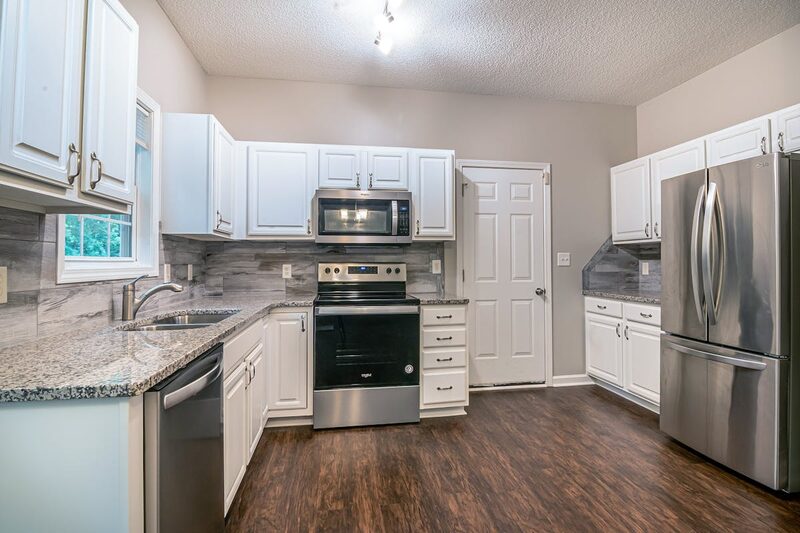
The kitchen is the most complex room in the house to remodel. It touches plumbing, electrical, gas, structural framing, ventilation, and finishes — all in a space where sequencing and coordination matter more than anywhere else. The contractor you choose determines whether the project runs smoothly or turns into months of frustration.
A bad kitchen remodel contractor doesn’t just do poor work — they cost you time, money, and months of living without a functional kitchen. The problems usually show up mid-project: missed inspections, trades that don’t show up, material delays that nobody anticipated, and change orders that inflate the budget.
The Bay Area makes this worse. Labor costs are high, material lead times are long, and permit requirements vary by city. A contractor who doesn’t know the local process will learn it on your project — at your expense.
Choosing well upfront is the single most impactful decision you’ll make on a kitchen remodel. Here’s what to evaluate.
1. License and insurance. California requires a contractor’s license for projects over $500. Verify it on the CSLB website. If they can’t produce proof of insurance, walk away. This isn’t optional — it’s the legal minimum.
2. Kitchen-specific experience. General contractors who “also do kitchens” are not the same as contractors who remodel kitchens consistently. Ask how many kitchens they’ve completed in the last two years. Ask to see them.
3. A detailed estimate. Not a ballpark. A line-item estimate that breaks out demolition, plumbing, electrical, cabinets, countertops, tile, fixtures, appliance installation, and permits. If they can’t itemize it, they haven’t thought it through.
4. A realistic timeline. Ask for a project schedule with specific milestones: demo complete, rough-ins inspected, cabinets installed, countertop template, final inspection. If the answer is “about six weeks,” without specifics, they’re guessing.
5. A communication system. How will you know what’s happening on your project day to day? Text messages get lost. Emails pile up. A structured system like Buildertrend keeps everything documented and accessible.
Most homeowners ask about cost and timeline. Those matter, but the questions that actually protect you are about process and accountability.
“Who pulls the permits?” If the contractor expects you to handle permits, that’s a red flag. Permit management is part of the job. A contractor who avoids permitting is either cutting corners or doesn’t know the local process.
“Who are your subcontractors?” Kitchens require plumbers, electricians, tile installers, countertop fabricators, and sometimes HVAC technicians. A good contractor has established relationships with reliable trades. If they’re hiring off Craigslist, you’ll feel it.
“How do you handle change orders?” Every remodel has surprises. What matters is how they’re documented and approved. If there’s no formal change order process, you’ll end up arguing about costs after the fact.
“What does your contract include?” The contract should specify scope, materials, timeline, payment schedule, warranty, and what happens if either party needs to make changes. Read it. If it’s vague, push for specifics.
The contractor should. If they expect you to handle it, they’re offloading responsibility.
Established trade relationships mean reliable scheduling. New subs on every project means inconsistency.
Documented, approved in writing before work proceeds. No verbal agreements.
Scope, materials, timeline, payment schedule, warranty. If it’s vague, ask for specifics.
In a traditional setup, you hire a designer, then find a contractor to build what the designer drew. If the design doesn’t account for structural limitations, plumbing locations, or budget constraints, you find out during construction — when changes are expensive.
A design-build contractor handles both. The team that designs your kitchen is the same team that builds it. That means the design accounts for real-world constraints from day one. No miscommunication between architect and builder. No blame-shifting when something doesn’t fit.
For kitchen remodels specifically, this matters because layout changes often involve moving plumbing, electrical, and sometimes structural elements. When one team manages all of it, the design and the construction plan are the same document.
See how we manage projects from start to finish: our process.
Some warning signs are obvious. Others only surface when you ask the right questions. Here are the ones we see homeowners miss most often:
No written estimate. If a contractor gives you a verbal quote or a single lump-sum number without breaking it down, they either haven’t scoped the project properly or they’re leaving room to inflate costs later.
Pressure to start immediately. Urgency is a sales tactic, not a construction reality. Good contractors have backlogs. If someone can “start Monday,” ask why they have no other work.
No references from kitchen projects. A contractor who builds decks and does “some kitchen work” is not a kitchen remodel contractor. Ask for references specifically from kitchen clients. Call them.
Payment structure weighted upfront. A reasonable payment schedule ties payments to milestones — demo complete, rough-ins inspected, cabinets installed, project complete. If they want 50% upfront before any work starts, that’s a financing problem disguised as a deposit.
“The contractor you choose determines whether the project runs on schedule or turns into months of frustration. Choose based on process, not price alone.”
— Mendez & Son’s Construction
If you’re evaluating kitchen remodel contractors in the Bay Area, start with a consultation. We’ll walk through your space, discuss what you want to change, and give you a realistic picture of scope, timeline, and cost — with a line-item estimate, not a ballpark.
You can also read what previous clients have to say about working with us, or learn more about who we are and how we approach residential construction.
We assess your kitchen, discuss goals, and identify structural and plumbing considerations before any design work.
A detailed plan with line-item pricing. You see exactly what’s included before committing.
We pull and manage all permits. You don’t coordinate with the city — we do.
Phased construction with milestone payments. Track everything in real time through our client portal.
The right contractor makes the difference between a project that runs on schedule and one that doesn’t. Start with a conversation — we’ll show you how we work.
Clear scope · Clear plan · Clear expectations
Serving Palo Alto · Mountain View · San Mateo
Walnut Creek · Redwood City · Bay Area