About ADU Services Remodeling Projects Blog Areas Contact Schedule Consultation
Blog

GARAGE TO ADU CONVERSION: PERMITS, COSTS, AND PLANNING

March 2026 · 9 min read · ADU Construction

Your garage already has walls, a roof, a foundation, and a slab. Converting it into a permitted ADU skips the most expensive phases of a ground-up build. That’s why garage conversions are one of the most cost-effective paths to adding living space on a Bay Area property — but the project still requires permits, planning, and structural work to get right.

Get a Garage Assessment
Residential garage exterior in the Bay Area before ADU conversion
01 — The Case for Converting

WHY START WITH YOUR GARAGE

A garage conversion uses the existing structure as the shell for your ADU. The foundation is already poured. The walls are framed. The roof is on. What needs to happen is upgrading that shell to meet residential building code — insulation, plumbing, electrical, egress windows, and finishes.

Compared to a detached ADU built from the ground up, garage conversions typically cost less and move faster. You’re not excavating, pouring a new foundation, or running utility trenches across the yard. The structure already exists — you’re converting it.

Under California ADU law, most single-family properties with a garage are eligible for conversion. Cities cannot require replacement parking in most cases, which was one of the biggest barriers before the state law changed.

ADU Construction Services

Lower Cost

Existing foundation, walls, and roof mean less material and labor. The most expensive phases of new construction are already done.

Faster Timeline

No excavation, no foundation pour, no framing from scratch. Construction moves straight to systems and finishes.

No Parking Replacement

California law removed the parking replacement requirement for most ADU conversions. Your garage space becomes living space.

02 — Permitting

PERMITS FOR GARAGE CONVERSIONS

Garage conversions require a building permit, just like any ADU. The city reviews architectural plans showing the conversion from garage to habitable space — including structural modifications, plumbing, electrical, HVAC, and compliance with Title 24 energy requirements.

The permitting timeline for conversions is often shorter than ground-up builds because the scope is smaller. In cities like Mountain View and San Mateo, plan check for a straightforward conversion runs 6 to 10 weeks.

The key is submitting a complete package the first time. Correction letters add weeks, and the most common flags on garage conversions are ceiling height compliance, egress window sizing, and utility load calculations.

ADU Permitting Details
CONVERSION PERMITS
Building PermitRequired
Architectural PlansRequired
Structural EngineeringIf modifications needed
Title 24 EnergyRequired
Parking ReplacementNot required (CA law)
Plan Check6–10 weeks typical

We handle the full permit package — plans, engineering, Title 24, and city coordination.

03 — Construction Scope

WHAT THE BUILD ACTUALLY INVOLVES

Converting a garage isn’t just drywalling the interior. The structure needs to meet residential building code, which means significant work behind the walls before finishes go in.

Foundation and slab. Most garage slabs are uninsulated and lower than the main house floor level. Depending on the city, you may need to raise the floor, add insulation, or pour a new slab over the existing one to meet energy and moisture requirements.

Walls and insulation. Garage walls are typically uninsulated single-stud construction. Converting to habitable space requires insulation, vapor barriers, and in some cases re-framing to meet structural and energy code.

Plumbing and electrical. A kitchen and bathroom need water supply, drain lines, and venting. Electrical panels often need a subpanel or upgrade to handle the additional load. These are the systems that turn a garage into a functioning living space.

The garage door. The opening gets framed in with a standard wall, windows, or a combination. This is one of the most visible changes — and it needs to match the home’s exterior.

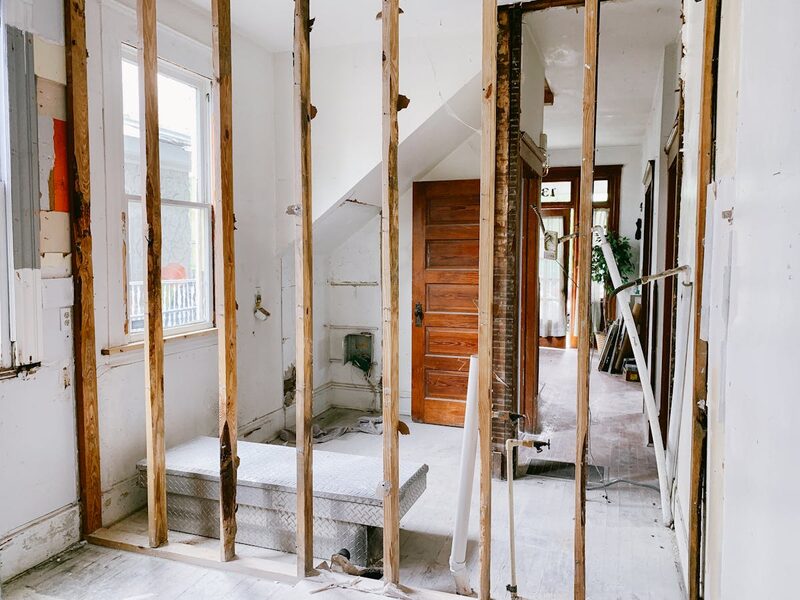
Interior of a garage being converted to an ADU showing framing and insulation work

Common Construction Tasks

  • Slab insulation or raised floor system
  • Wall insulation and vapor barrier
  • Plumbing rough-in for kitchen and bathroom
  • Electrical subpanel and circuit runs
  • Garage door opening framed and finished
  • Egress windows installed to code
  • HVAC (mini-split or ducted system)
04 — Cost Factors

WHAT DRIVES THE COST

Garage conversions cost less than ground-up ADUs, but the range still varies based on several factors:

Garage condition. A structurally sound, properly sized garage with a good foundation costs less to convert than one that needs structural reinforcement, a new roof, or slab work.

Ceiling height. California requires minimum ceiling heights for habitable space. If your garage ceiling is too low, raising the roof or lowering the floor adds cost. This is the most common structural surprise in garage conversions.

Plumbing distance. How far the new kitchen and bathroom are from existing sewer and water lines affects cost. Shorter runs are cheaper. If the garage is on the opposite side of the house from the main sewer connection, that distance adds up.

Finish level. The same range applies as any construction project — standard finishes vs. premium materials affect the final number. We break all of this down in a detailed estimate before work begins.

Financing options are available for garage conversions, just like any ADU project. The lower overall cost means lower monthly payments for qualified homeowners.

COST VARIABLES
Foundation/SlabCondition determines if work is needed
Ceiling HeightMay need roof raise or floor lower
PlumbingDistance to sewer/water lines
ElectricalPanel upgrade often needed
ExteriorGarage door infill + matching
FinishesStandard to premium range

We provide a detailed line-item estimate before any work begins. No surprises.

05 — Timeline

HOW LONG IT TAKES

Garage conversions move faster than ground-up ADU construction because the shell already exists. The overall timeline from design through move-in typically runs 7 to 11 months.

Design phase: 3 to 6 weeks. We assess the existing garage, produce architectural drawings, and prepare the permit package. Simpler than a detached ADU because the footprint is fixed.

Permitting: 6 to 10 weeks. Conversion permits are typically faster because the scope is smaller and the structural changes are less complex than new construction.

Construction: 3 to 4 months. No foundation work or framing from scratch. Construction focuses on systems (plumbing, electrical, HVAC), insulation, finishes, and the garage door infill. The design-build approach keeps all of this under one team.

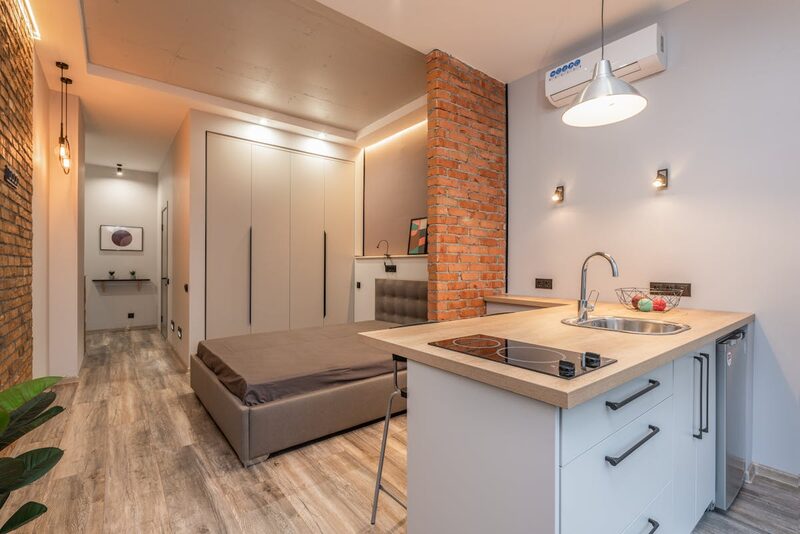
Completed garage to ADU conversion with finished exterior in a Bay Area neighborhood
3–6

Weeks for Design

Site assessment, architectural drawings, permit package. Faster than ground-up because the footprint is set.

6–10

Weeks for Permits

Plan check runs shorter for conversions. Clean submissions keep this on the low end.

3–4

Months for Construction

Systems, insulation, finishes, garage door infill. No excavation or foundation work.

06 — Next Step

IS YOUR GARAGE A CANDIDATE?

Not every garage is a good conversion candidate. The assessment starts with three questions: Is the foundation in good condition? Is the ceiling height adequate or close enough to modify? And is the structure sound enough to support the conversion without major reinforcement?

We answer all three during a site visit. If the garage checks out, we’ll give you a realistic scope, timeline, and cost range before any design work starts. If it doesn’t, we’ll tell you that too — and whether a detached ADU or JADU makes more sense for your property.

Get a Garage Assessment Garage Conversion Details

Good Conversion Candidates

  • Two-car garage with solid foundation and adequate height
  • Garage attached to or near the main home (shorter utility runs)
  • Property where yard space is limited for a detached build
  • Homeowner who values cost efficiency over maximum square footage
  • Driveway or street parking available (no replacement required)

A site visit tells us everything. We’ll assess the structure and give you a straight answer.

GARAGE SITTING
EMPTY?

That unused garage could be your most cost-effective path to additional living space. We’ll assess the structure, outline the scope, and give you a realistic estimate — before you commit to anything.

Clear scope · Clear plan · Clear expectations

Get Garage Assessment

Serving Palo Alto · Mountain View · San Mateo
Walnut Creek · Redwood City · Bay Area