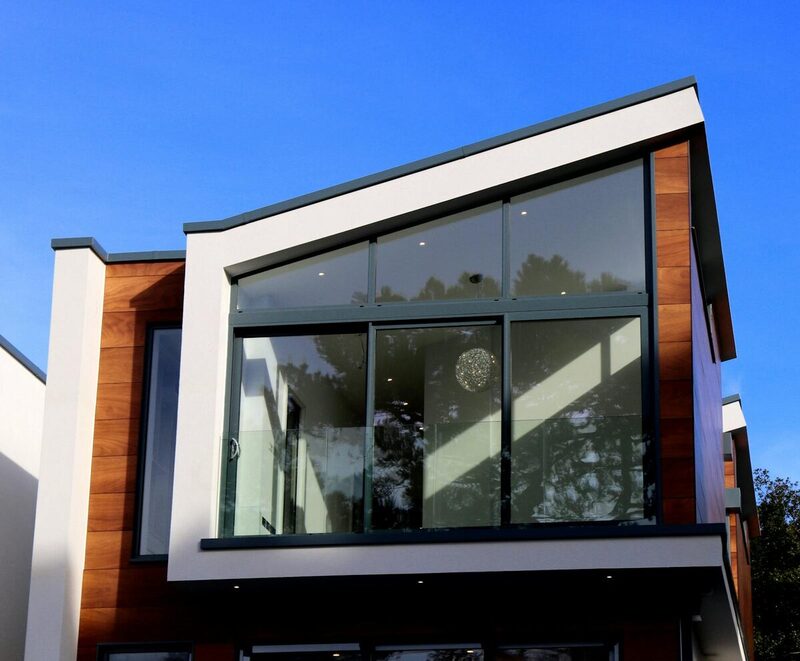
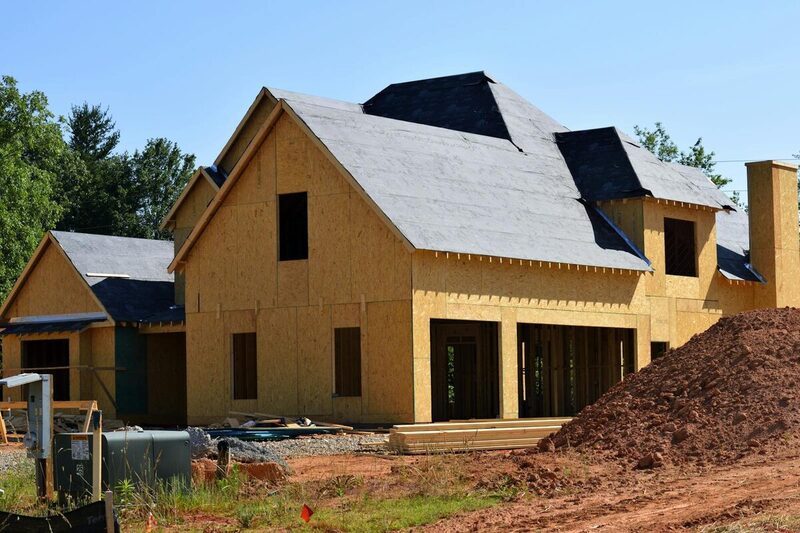
The first real decision in any ADU project isn’t the floor plan or the finishes — it’s whether you’re building a detached ADU or a JADU. Each type has different permit requirements, different cost structures, and different impacts on your property. The right choice depends on your lot, your budget, and what you plan to use the space for.
Both detached ADUs and JADUs are fully permitted, independent living spaces with their own entrance and bathroom. The difference is structural: a detached ADU is a standalone building in your yard. A JADU — junior accessory dwelling unit — is built within or attached to your existing home.
That single distinction — connected or separate — changes the permitting path, the foundation work, the utility connections, and the construction timeline. It also changes how much the project costs and how the finished unit functions day-to-day.
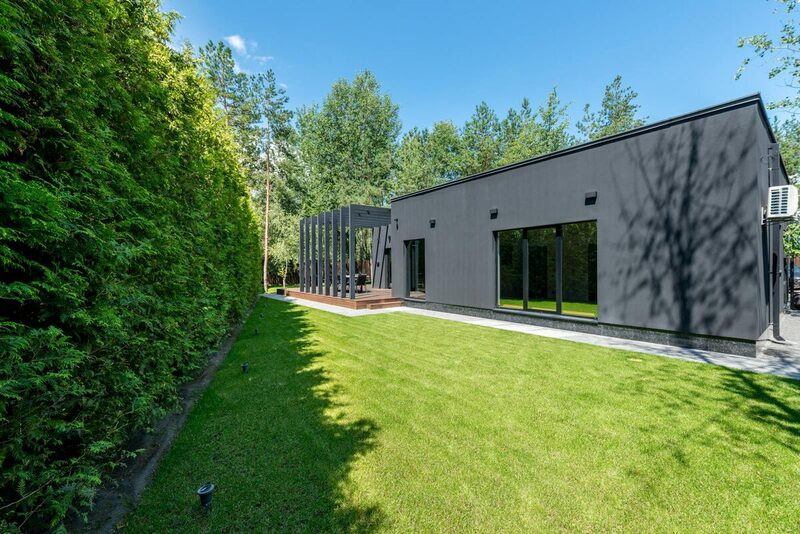
ADU Construction ServicesA detached ADU sits on its own foundation, separate from the main house. It’s the most common type we build across the Peninsula and East Bay. Most homeowners choose detached when they want complete separation — whether for rental income, family use, or a private home office.
Where it works best: Larger lots with adequate rear or side yard space. In cities like Palo Alto and Mountain View, most lots can accommodate a detached unit in the backyard once setbacks are calculated. The 4-foot rear and side setback under California ADU law makes this feasible on more properties than most homeowners expect.
What it requires: A new foundation, independent utility connections (water, sewer, electrical), and a full construction sequence from ground up. Utility trenching from the main home to the ADU location is one of the bigger variables in project cost.
Detached ADU DetailsSeparate structure means separate sound, separate entrance, separate living. No shared walls, no noise transfer.
Tenants prefer detached units. Complete independence makes long-term rental or ADU-specific platforms straightforward.
Not constrained by the existing roofline or structure. Can match the main home or take a different architectural direction.
A JADU — junior accessory dwelling unit — is built within or attached to your existing home. It shares a wall with the main house but has its own separate entrance and bathroom. Under California law, JADUs are capped at 500 square feet, which makes them faster to permit and less expensive to build than detached units.
Where it works best: Properties where yard space is limited or where the homeowner wants the unit physically close. JADUs are the most common ADU type we build in the Bay Area — especially for multigenerational families who want proximity with independence. They’re also popular in South Bay neighborhoods where lot coverage is tight.
What it requires: Structural integration with the existing home. That means tying into the existing foundation (or extending it), matching the roofline, and connecting to existing utility runs. Because a JADU is attached, the structural engineering accounts for modifying a building that already stands.
JADU Details
We’ve built both types across the Bay Area, and the decision almost always comes down to four factors:
Lot size and layout. If you have a deep backyard with clear access for construction equipment, detached is usually straightforward. If your lot is narrow or your yard is small, a JADU may be the only option that meets setback requirements.
Intended use. Renting to a tenant? Detached wins — the separation is what renters want. Housing a family member? A JADU makes proximity easy while still maintaining independence. Working from home? Either works, but detached gives you more acoustic separation.
Budget. JADUs typically cost less because they share utilities with the main home and don’t require a new foundation. The 500 sqft cap also keeps material costs down. But if you need more space, detached is the path.
City-specific rules. While California’s statewide ADU law sets the baseline, cities like Palo Alto and Walnut Creek have their own overlay requirements. We know which path is smoother in each jurisdiction.
Not sure which fits your property? A site review settles it in one visit.
Both detached ADUs and JADUs follow the same general sequence: design, permitting, construction. But the specifics differ.
Detached ADU timeline: 9 to 14 months total. Foundation and utility trenching add time upfront, but construction proceeds independently from the main home. No disruption to daily life during the build.
JADU timeline: 6 to 10 months total. Shared utilities and existing foundation work compress the schedule significantly. Because a JADU is attached to or built within the existing home, construction does touch your living space during framing and tie-in phases.
Cost varies based on size, site conditions, and finish level. In both cases, we provide a detailed estimate before any work begins. Financing is available for qualified homeowners — upfront cost shouldn’t stop the right project.
“The right ADU type isn’t about preference — it’s about what your lot, your zoning, and your intended use actually support.”
— Mendez & Son’s Construction
The best way to determine which ADU type fits your property is a site review. We look at your lot dimensions, setbacks, utility access, soil conditions, and zoning overlay — then give you a clear recommendation.
Most homeowners come in thinking they know which type they want. About half the time, the site tells a different story. A property that looks like it needs a JADU sometimes has room for detached once we run the setback calculations. And properties that seem like obvious detached candidates sometimes have access constraints that make a JADU the smarter path.
Either way, the permitting process starts with the same step: understanding exactly what your property allows.
We assess your lot — dimensions, setbacks, access, utilities, soil. This determines what’s buildable.
Based on the site data, we recommend detached or JADU — with reasoning you can evaluate.
Once the type is locked, architectural drawings and permit submission follow. One team handles all of it.
Phased construction with real-time tracking through our Buildertrend portal. No surprises.
Your lot has the answer. Schedule a site review and we’ll tell you exactly what’s feasible — detached ADU, JADU, or both — before you commit to anything.
Clear scope · Clear plan · Clear expectations
Serving Palo Alto · Mountain View · San Mateo
Walnut Creek · Redwood City · Bay Area