The Bay Area has some of the highest rental rates in the country — and permitted ADUs tap directly into that market. Homeowners who build an ADU on their property are adding $2,000 to $4,000+ per month in rental income, depending on location, size, and finish level. Here’s what the numbers actually look like and what drives them.
Rental rates for ADUs in the Bay Area vary by city, unit size, and quality. But the ranges are consistently strong across the region because demand for housing — especially smaller, well-located units — far outpaces supply.
A well-finished 500 to 800 square foot ADU in a Peninsula or South Bay city typically rents for $2,200 to $3,500 per month. Larger units (800–1,200 sqft) with two bedrooms push into the $3,000 to $4,500+ range depending on location.
Even JADUs at 500 sqft or less command $1,800 to $2,800 per month in most Bay Area cities. The demand is there — renters want smaller, well-maintained, independently accessed units in residential neighborhoods.
Ranges based on current Bay Area rental market for permitted ADUs. Actual rates depend on unit quality and location.
Location. Proximity to tech employers, transit, and downtown areas commands higher rents. A detached ADU in Palo Alto near Stanford or in Mountain View near Google campuses rents at a premium.
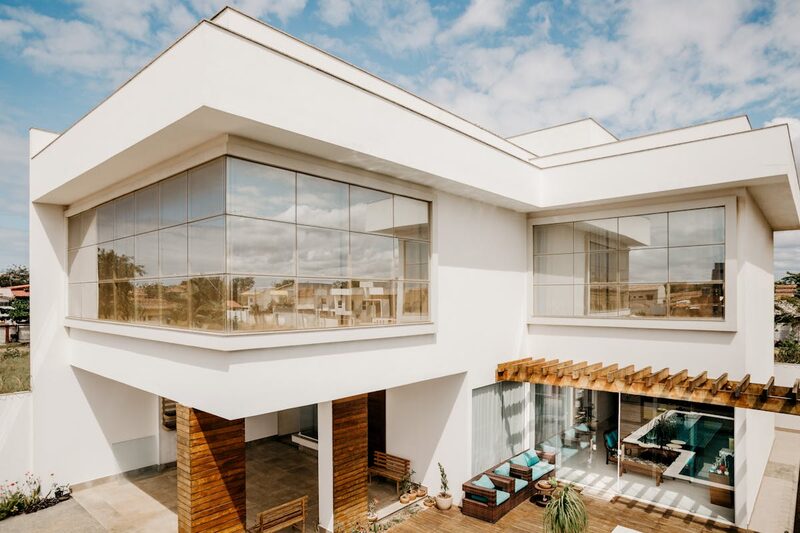
Privacy. Detached ADUs with their own entrance, yard space, and full separation from the main home rent for more than attached units or JADUs. Tenants pay a premium for independence.
Size and layout. A one-bedroom with a well-designed kitchen and living area rents better than a studio of the same square footage. Layout efficiency matters more than raw size.
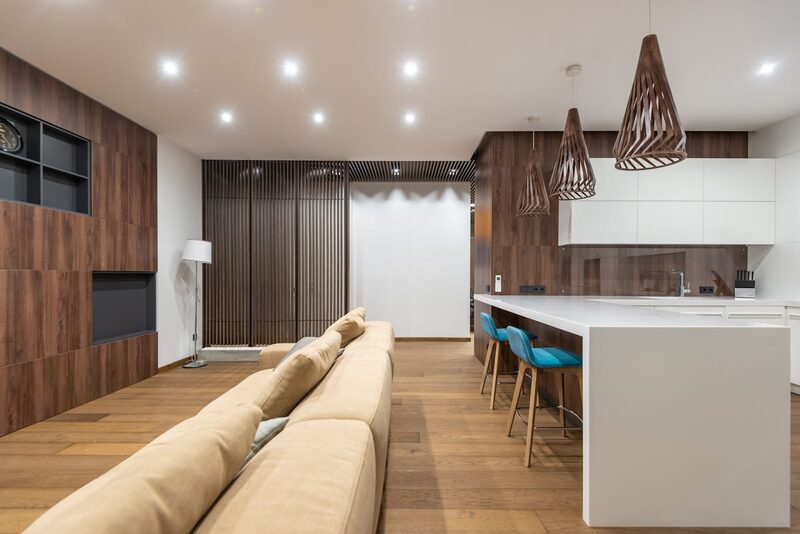
Finish quality. Modern finishes, good appliances, in-unit laundry, and a mini-split HVAC system are table stakes in the Bay Area rental market. Dated finishes suppress rent even if the location is strong.
Permitted status. A legally permitted ADU rents with confidence. No risk of code enforcement, no issues with tenant rights, and no problems at resale. Unpermitted units carry legal and financial risk that we don’t build.
Proximity to employers and transit drives demand. Peninsula and South Bay command the highest rates.
Detached units with full separation rent 15–25% higher than attached units of the same size.
The question homeowners ask most is whether the rental income justifies the construction cost. In the Bay Area, the math consistently works — here’s how to think about it.
Build cost vs. annual income. If a detached ADU costs $250K–$400K to build and rents for $3,000/month, that’s $36,000/year in gross rental income. The payback period (before expenses) is typically 7 to 12 years — while the property value increases immediately.
Property value increase. A legally permitted ADU adds a functional living unit to your property. At resale, that unit adds value based on the income it generates — not just the construction cost. In the Bay Area, a well-built ADU can add $150K–$300K+ to property value.
Financing makes it accessible. With renovation financing, the monthly payment on an ADU build can be less than the rental income it generates. Some homeowners are cash-flow positive from month one.
“In most Bay Area cities, the ADU rental income exceeds the financing payment from day one. The unit pays for itself while adding value to your property.”
— Mendez & Son’s Construction
Each ADU type generates different rental income based on its size, privacy level, and construction cost.
Detached ADU (600–1,200 sqft). Highest rental rates due to full privacy and independence. Best ROI for homeowners who have the lot space. Longer build timeline but highest monthly income.
JADU (up to 500 sqft). Lower rental rates but significantly lower build cost. The ratio of income-to-investment is often the strongest. Best for homeowners who want to add income without a major construction project.
Garage conversion. Similar rental rates to a JADU or small detached unit. The advantage is cost efficiency — the existing structure keeps build costs down, which improves the income-to-investment ratio.
Not sure which type fits your property? A site review determines what’s buildable.
If you’re building an ADU for rental income, design it for what tenants in the Bay Area actually prioritize:
In-unit laundry. This is the single most requested feature. A washer/dryer hookup (or stackable in-unit) significantly increases rental appeal and justifies higher rent.
A real kitchen. Not a kitchenette with a hot plate. A proper kitchen with full-size appliances, adequate counter space, and a dishwasher. Bay Area renters expect this.
Climate control. A mini-split HVAC system provides heating and cooling without ductwork. It’s efficient, quiet, and what tenants expect in a modern unit.
Private outdoor space. Even a small patio or deck area adds significant appeal. Renters in this market value any private outdoor access.
Separate entrance and address. A permitted ADU with its own entrance and utilities feels like a real home, not a converted room. That distinction affects what renters are willing to pay.
If rental income is your goal, the design needs to reflect that from day one. Unit layout, finish selections, and amenities should be tailored to what Bay Area renters will pay a premium for — not what’s cheapest to build.
We’ll help you evaluate what’s buildable on your property, estimate the rental income potential based on your city and unit type, and design the ADU to maximize both livability and return.
We evaluate your lot and determine which ADU type is buildable and what rental potential looks like.
Layout, finishes, and amenities tailored to maximize rental value — not just minimize cost.
Compare build cost to projected income. Many homeowners are cash-flow positive from month one.
Permitted, inspected, and ready for tenants. A legal income-producing unit on your property.
Your property could be generating $2,000–$4,000+ per month. We’ll show you what’s buildable and what the numbers look like — before you commit to anything.
Clear scope · Clear plan · Clear expectations
Serving Palo Alto · Mountain View · San Mateo
Walnut Creek · Redwood City · Bay Area